
How to Plan for Storage During Home Construction
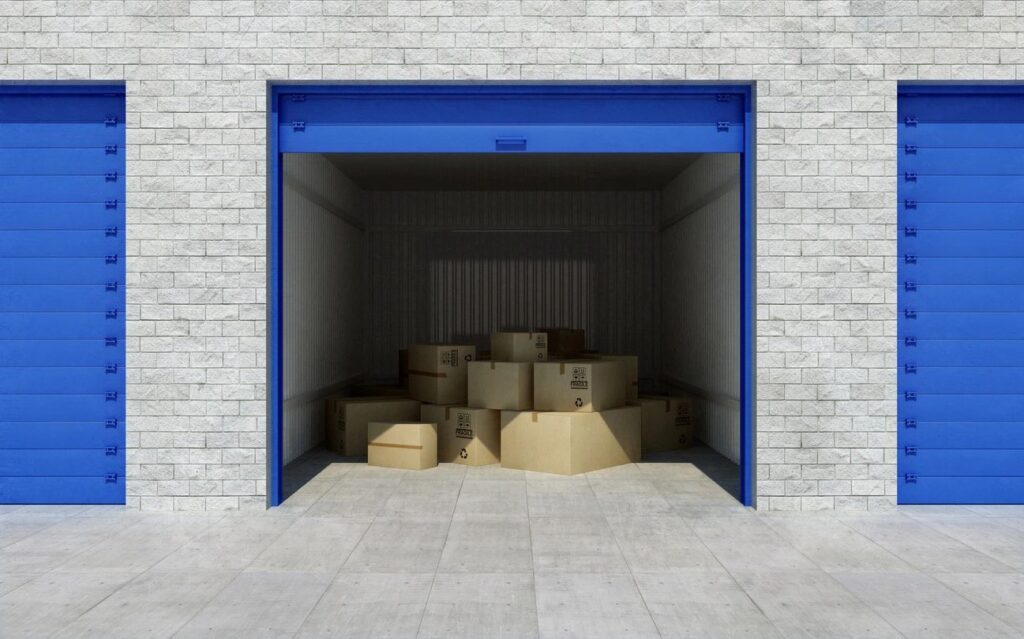
Planning a home construction project involves more than choosing floor plans, selecting materials, and coordinating contractors. One important detail homeowners often overlook is storage. Whether you are building a custom home, remodeling your existing property, or preparing for a major renovation, having a reliable storage plan can help protect your belongings, keep your project organized, and reduce unnecessary stress.
For homeowners in Sedro-Woolley, WA, and throughout Skagit County, preparing for construction in advance can make the entire building process more manageable. Dog Star Construction understands the importance of thoughtful planning and proper coordination when preparing for residential construction projects.
1. Evaluate Your Storage Needs Before Construction Begins
Start by identifying which belongings need to be moved before construction starts. Furniture, appliances, electronics, seasonal decorations, clothing, and personal valuables may require temporary storage during the building process.
Create an inventory of your belongings and divide everything into three categories: items you will need regularly, belongings that can be packed away, and items that should be removed from the property entirely. This simple approach helps you determine how much storage space you need and prevents unnecessary clutter around the construction site.
If you are building a new home, consider whether your existing residence can accommodate your belongings until the project is completed. For larger construction projects, renting a storage unit or portable storage container may be a more practical solution.
2. Choose the Right Storage Solution
Selecting the appropriate storage option depends on your project’s size, duration, budget, and location. Homeowners have several options to consider when planning for storage during home construction.
Portable Storage Containers: Portable storage containers provide convenient access to your belongings while keeping them contained in one location. Depending on the property layout and local requirements, a container may be placed on-site or at another suitable location.
Traditional Storage Units: A self-storage facility can be useful when you need a secure location away from construction activity. Climate-controlled storage may be worth considering for temperature-sensitive items, including certain electronics, wooden furniture, photographs, and important documents.
Temporary Storage Areas: If space permits, a designated room, garage, or other protected area may accommodate smaller belongings during certain renovations. However, this option should only be used when the area is safe, dry, and outside the active construction zone.
Before choosing a storage solution, consider accessibility, weather protection, transportation costs, and the length of time you expect to need storage.
3. Protect Your Belongings From Dust and Moisture
Construction projects can produce considerable dust, debris, and moisture. Properly protecting your belongings helps prevent damage and reduces the amount of cleaning required when you move back into your finished space.
Use sturdy boxes, quality packing materials, and protective covers for furniture. Keep cardboard boxes elevated when possible, especially in garages, sheds, or other areas where moisture could become a concern. Store important paperwork, electronics, and valuables in suitable protective containers.
In Washington, changing weather conditions make moisture protection particularly important. Ensure that storage areas are dry, properly ventilated where appropriate, and protected from rain and ground moisture. Avoid placing belongings in areas exposed to leaking roofs, standing water, or excessive humidity.
If your construction project involves removing a roof, replacing windows, or opening exterior walls, arrange alternative storage before work begins. This helps prevent accidental damage during weather-sensitive phases of construction.
4. Keep Construction Materials and Personal Storage Separate
An organized construction site is generally easier to navigate and manage. Personal belongings should be kept separate from construction materials, tools, equipment, and debris whenever possible.
Designate specific areas for building supplies and establish clear access routes for contractors. Avoid placing storage containers where they could block driveways, equipment access, material deliveries, or emergency access points.
If you plan to keep a storage container on your property, confirm that the proposed location is suitable for delivery and pickup. Check local requirements, property restrictions, and any applicable permits before installation.
For homeowners working with a professional construction company, discuss site access and storage arrangements during the planning stage. Coordinating these details early can help minimize disruptions and keep the project moving efficiently.
5. Create a Packing and Labeling System
Packing your belongings systematically can save significant time when construction is finished. Label each box with its contents and the room where it belongs. For example, boxes containing kitchen supplies should be clearly marked so they can be unpacked quickly when the kitchen is ready.
Pack frequently used items separately and keep them accessible. Prepare a small essentials box containing basic household supplies, important documents, chargers, medications, and other necessities you may need throughout the construction period.
Photograph valuable items before packing and maintain a simple inventory of stored belongings. This extra step can help you stay organized, particularly during extensive home renovations or new home construction projects that require several months of temporary storage.
6. Plan Storage Around Your Construction Timeline
Your storage needs may change as construction progresses. A project involving foundation work, framing, roofing, plumbing, electrical installation, and interior finishing may require different arrangements at different stages.
Discuss the anticipated construction schedule with your contractor and identify when specific rooms or areas will become unavailable. Build some flexibility into your storage arrangements in case weather, material deliveries, inspections, or unexpected repairs affect the project timeline.
If you are moving out temporarily, coordinate your storage rental period with your expected move-in date. Avoid scheduling storage pickup too early, as construction delays can leave you without a suitable place for your belongings.
Homeowners should also consider where they will stay during construction and how they will access essential possessions. A well-organized plan can make temporary living arrangements much easier to manage.
7. Consider Storage During New Home Construction
Building a new home creates unique storage challenges, especially when you must move out of an existing residence before the new property is ready.
Start planning several weeks before your anticipated move. Determine which belongings you will take to temporary accommodations and which items can remain in storage until the new home is complete.
Large furniture, outdoor equipment, appliances, and seasonal belongings may require additional space. If you are moving to a property in Sedro-Woolley or elsewhere in Skagit County, consider transportation distances and accessibility when selecting a storage facility.
It is also helpful to plan where construction-related materials will be kept. Depending on the project, contractors may need designated areas for lumber, tools, fixtures, and other supplies. Keeping these materials organized and separate from household belongings supports a cleaner, more efficient work environment.
8. Work With an Experienced Construction Company
Successful home construction starts with careful preparation and communication. From establishing a realistic project timeline to coordinating access and preparing the property, early planning can help homeowners avoid common complications.
Dog Star Construction serves homeowners in Sedro-Woolley, WA, and surrounding communities, including areas throughout Skagit County, Bellingham, Anacortes, the Islands, and Everett. When preparing for a residential construction or renovation project, discussing site preparation, project scheduling, and access requirements with your contractor can help you make informed decisions about temporary storage.
Every property and construction project is different. Your contractor can help you understand the planned work, identify areas that may be affected, and coordinate construction activities around the property’s layout and accessibility.
For additional information about construction services, visit the Dog Star Construction website at https://adogstar.com/ or call (360) 393-9429 to discuss your project.
Make Your Home Construction Project Easier With Proper Planning
Planning for storage during home construction is an important step toward protecting your belongings, maintaining an organized property, and reducing unnecessary delays. By evaluating your storage needs, choosing suitable storage solutions, protecting valuables from dust and moisture, and coordinating arrangements with your construction schedule, you can approach your project with greater confidence.
Whether you are planning a new home, preparing for a major renovation, or coordinating residential construction in Sedro-Woolley, WA, taking the time to organize your storage arrangements can make a meaningful difference.
Dog Star Construction is a resource for homeowners seeking construction services throughout the Skagit County region and nearby communities. Visit https://adogstar.com/ or call (360) 393-9429 to learn more and discuss your upcoming construction project.
#DogStarConstruction #SedroWoolleyWA #SkagitCounty #HomeConstruction #ResidentialConstruction #HomeBuilding #ConstructionPlanning #HomeRenovation #StorageSolutions #ConstructionContractor #WashingtonConstruction #CustomHomeBuilding #HomeRemodeling #ConstructionServices #NewHomeConstruction